If you’ve ever felt overwhelmed by all the chemicals in everyday products and wondered where to begin, you’re not alone. The good news? You don’t need to do it all at once to make a real difference. Creating a non toxic home is all about simple, intentional swaps that support your health, your family, and the planet.
I’m sharing easy, beginner-friendly changes you can make today, starting with the spaces you use most: the kitchen, bathroom, and cleaning cupboard.
1. Cleaning Products: Ditch the Chemicals
Conventional cleaning products often contain synthetic fragrances, bleach, and endocrine-disrupting chemicals. But switching to natural alternatives is easier than you think.
Non-Tox Swaps:
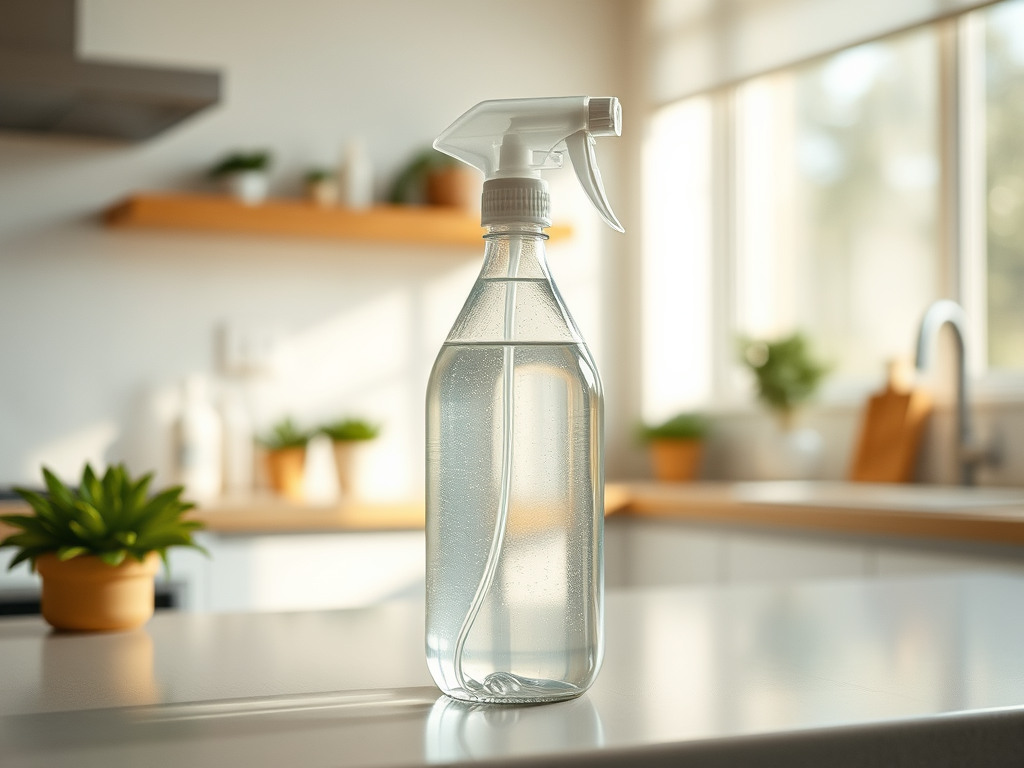
- Swap spray cleaners for vinegar + water + essential oils (All-purpose natural cleaning spray recipe.)
- Replace disinfectant wipes with reusable cloths + non-toxic spray
- Use bicarb soda for scrubbing sinks and tubs. I mix bicarb soda with a little vinegar to form a paste and use it to clean my oven. Leave for a few hours or overnight and it wipes clean!
- Ditch toxic candles and air fresheners and use diffusers with pure essential oils
2. Health & Personal Care: Go Gentle on Your Skin
Your skin is your largest organ, and it absorbs much of what you put on it. That’s especially important when it comes to products for babies and children.
- Replace body wash and baby wash with fragrance-free alternatives
- Choose aluminium-free deodorants
- Opt for mineral-based sunscreens
- Use natural toothpaste free from fluoride and SLS

3. Cooking Equipment: Cook Safer
Non-stick cookware may be convenient, but many contain PFAS (“forever chemicals”) that can leach into food at high temperatures.
Low-Tox Swaps:
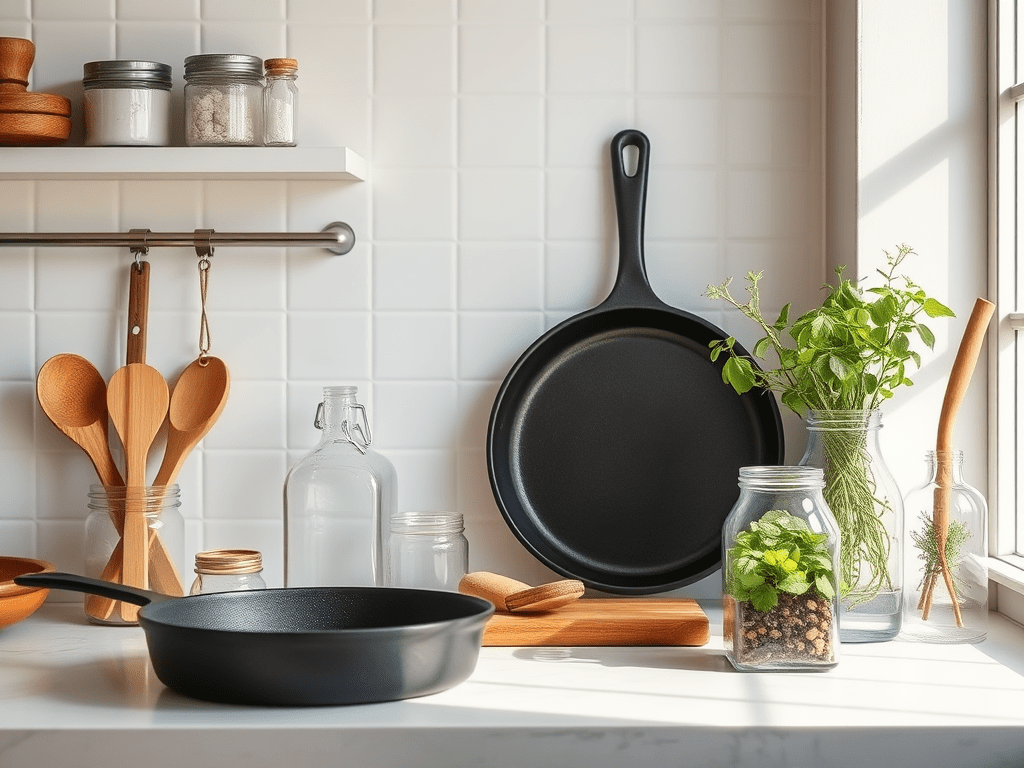
- Replace non-stick pans with cast iron, stainless steel, or ceramic. I love my Crumble cast iron dutch oven, which come in cute colours (I purchased pink, obviously).
- Use wooden or silicone utensils instead of plastic
- Ditch plastic food containers for glass or stainless steel
- Choose beeswax wraps or silicone lids over cling wrap

4. Food & Pantry: Simplify Your Ingredients
You don’t need to go 100% organic to reduce your toxin load. Just being mindful of additives and choosing whole foods can go a long way. Next time you’re at the supermarket, turn over the packet and read the ingredients.
- Switch to wholegrain and unrefined flours
- Choose butter or ghee over margarine
- Avoid artificial sweeteners and preservatives (anything with a number)
- Cook from scratch where you can
5. Water: Start Filtering
Tap water can contain chlorine, fluoride, heavy metals, and pesticide residues. Even a basic filter can make a noticeable difference in taste and quality.
- Use a benchtop water filter to remove common contaminants
- Plan to upgrade to a reverse osmosis system for deeper filtration
I have a more detailed blog on water filtration which describes in depth the contaminants found in everyday tap water, and the type of water filters available such as the MyWaterJug from WatersCo Australia.
Start Where You Are
Creating a non toxic home isn’t about perfection—it’s about progress. You don’t need to overhaul everything straight away. Just pick one area that feels doable and go from there.

 Low Tox Living for Families | Natural Baby & Home Swaps
Leave a comment