As a mum of two, I want to create the healthiest possible home environment for my family. From choosing low-tox baby products to eating less processed, more nourishing food, I’ve come to realise that one of the most important aspects of healthy living is the water we drink every day.
We all know staying hydrated is essential, but have you ever looked at what’s actually in your tap water? I used to assume it was perfectly safe, until I dug a little deeper. What I found was concerning and I became intrigued to better understand water quality, synthetic additives and contaminants and the true benefits of water filtration.
In this post, I’ll break down why filtering your tap water is one of the best things you can do for your family’s health, the contaminants found in most municipal water supplies, what I use at home (including my review of my Waters Co filter jug), and a comparison with a BRITA filter jug. I’ll also share why I’m considering a reverse osmosis system for our long-term needs.
What Chemicals Are In Tap Water?
Many people assume tap water is clean and safe simply because it meets national guidelines. But the truth is, these standards often allow for contaminants that I personally don’t want my children, or myself, consuming daily.
Some of the most common contaminants include:
1. Chlorine
Used to disinfect water, chlorine is effective at killing harmful bacteria, but it’s also a chemical that can be harsh on the body. It can disrupt gut health and irritate the skin.
2. Fluoride
While natural fluoride can occur in groundwater, Australia’s water supply(and in the United States) is artificially fluoridated with hydrofluorosilicic acid, a by-product of the phosphate fertiliser industry. According to the Australian Drinking Water Guidelines, hydrofluorosilicic acid is commonly used as the fluoridating agent.
What many people don’t realise is that this is not a pharmaceutical-grade product. It’s a synthetic compound added to water, often without our informed consent. Over time, fluoride can accumulate in the body, and growing evidence suggests it may impact cognitive development and thyroid function. There has also been a new review of previous research that links fluoridated water with slightly lower IQs in children.
3. Heavy Metals
Depending on where you live and how old your plumbing is, tap water can contain lead, copper, mercury, and arsenic. These heavy metals are known neurotoxins and can be particularly dangerous for developing brains and bodies.
4. Microplastics & Pesticide Residue
Remove plastic water bottles from your grocery list to help limit the amount of plastic entering waterways and contribute to a healthier environment.
5. PFAS
One of the most concerning discoveries in recent years has been the presence of PFAS in drinking water. PFAS stands for per- and polyfluoroalkyl substances, a group of man-made chemicals used in non-stick cookware, waterproof clothing, carpet and upholstery protective sprays and sunscreen. Further information on PFAS in this article.
These are often called “forever chemicals” because they don’t break down in the environment or the human body.
Some studies have found associations between people exposed to specific PFAS chemicals and the following biological effects:
- Hormone disruption
- Increased cholesterol
- Reduced kidney function
- lower birth weight in babies
Can Water Filters Remove PFAS?
Not all water filters remove PFAS. This is why choosing the right filtration system is so important.
- Activated carbon (like what’s used in Waters Co jugs) can reduce PFAS levels when used in a high-quality, multi-stage system.
- Reverse osmosis systems are highly effective at removing PFAS—one of the best options if you’re dealing with contaminated water sources.
Why We Chose to Filter Our Water
Learning all this was a lot to absorb and digest, and frankly, a wake-up call for me. If I wouldn’t knowingly give my kids a glass of chlorine, fluoride, or pesticide residue, why would I let them drink it daily just because it’s coming from the tap?
That’s when I started researching water filtration solutions. I wanted something affordable, low-maintenance, and powerful enough to give me peace of mind.
My Experience with the Waters Co Water Filter Jug
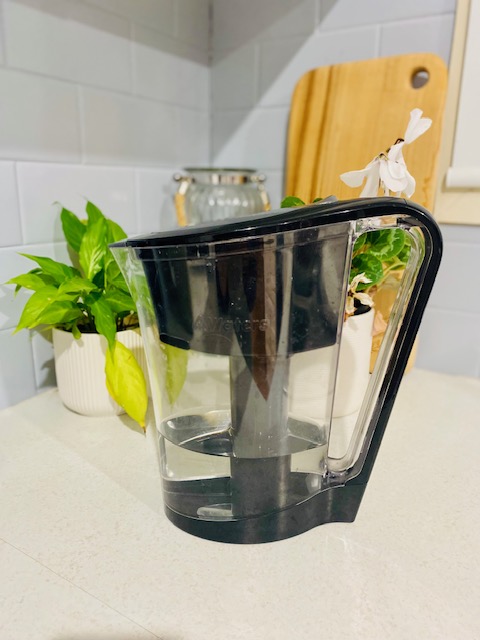
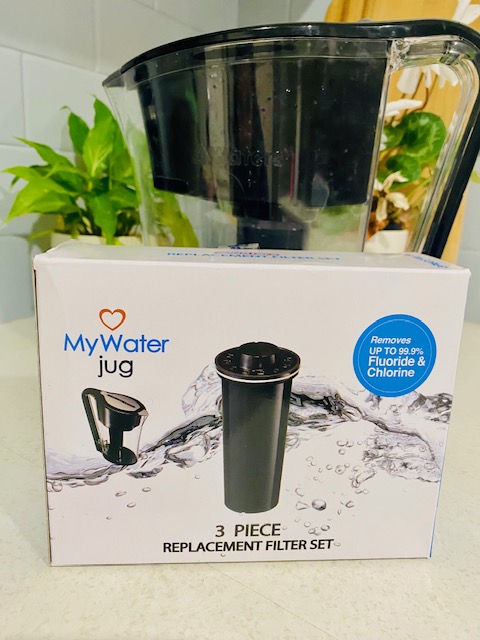
After weeks of research, I purchased the MyWaterJug 1.5L from Waters Co Australia. Here’s what I love about it:
Pros:
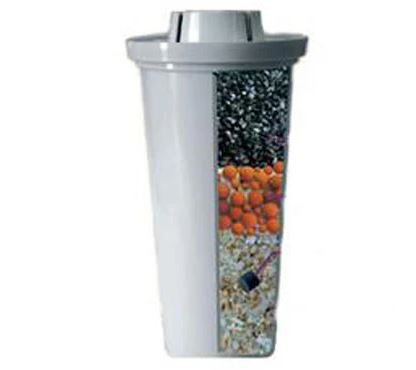
- Multi-stage filtration: The jug uses a mix of activated carbon, ceramic, ion exchange resins, and minerals to remove chlorine, fluoride, heavy metals, and bacteria.
- Adds back healthy minerals: Unlike many filters that strip everything out, this jug reintroduces magnesium, calcium, and potassium to create naturally alkaline water.
- Great taste: The difference in taste was noticeable immediately: clean and fresh.
- Portable and family-friendly: It holds about 1.5 litres and fits easily in the fridge or on the bench.We take our jug with us on holidays or weekends away. It’s peace of mind knowing we will have clean, great-tasting water wherever we go.
Cons:
- Slower filtration: Because of the multi-layer system, it can take longer to filter than some simpler models.
- Initial cost: It’s more expensive upfront compared to popular brands like BRITA, but the value over time is greater when you factor in filter longevity.
Comparing Waters Co to BRITA Filter Jugs
I’ve used a BRITA jug in the past, and while it’s definitely better than nothing, here’s how it stacks up:
| Feature | Waters Co | BRITA |
|---|---|---|
| Removes fluoride | Yes | No |
| Removes heavy metals | Yes | Partial |
| Adds minerals back | Yes | No |
| Alkaline water | Yes | No |
| Filter lifespan | 3-4 months | 4–8 weeks |
| Cost upfront | $$ | $ |
| Taste quality | ⭐⭐⭐⭐⭐ | ⭐⭐ |
Conclusion: BRITA is convenient and inexpensive, but if you’re serious about filtering out fluoride and heavy metals, Waters Co wins hands down.
Long-Term Water Filtration Options
While a filter jug is perfect for the short term or for renters, I’m starting to look into more permanent solutions as we plan to renovate our kitchen.
1. Under-Sink Water Filters
These are installed directly into your plumbing and provide filtered water straight from the tap. Many of these systems are capable of multi-stage filtration like jug filters but offer higher flow rates and more convenience for larger families.
2. Reverse Osmosis (RO) Systems
This is considered the gold standard in water filtration. RO systems remove virtually everything, including fluoride, chlorine, microplastics, and even pharmaceuticals. However, they can also strip the water of beneficial minerals, so it’s important to add a remineralisation filter if you go this route.
They’re more expensive to install but could be a smart long-term investment for your health—especially if your family drinks several litres of water a day like mine does!
As a mum, I know how much we juggle on a daily basis: meals, washing, kinder runs, work, and trying to squeeze in a moment for ourselves. But clean water? That’s one non-negotiable for me. It fuels our bodies and supports our kids’ growth.
Switching to filtered water has been one of the simplest yet most powerful changes I’ve made for our family’s wellbeing. If you’re on a budget or renting, a jug like mine from Waters Co is a fantastic place to start. If you’re planning your “forever home,” an under-sink or reverse osmosis system is a worthwhile upgrade.
I’d love to hear your experience with filtering your tap water. Do you have a convenient jug filter or entire home filtration with a reverse ozmosis? What brands you are loving? Let me know in the comments!
Want to Learn More?
- Check out Waters Co Australia to explore their range of filtration jugs and systems.
- Read the Australian Drinking Water Guidelines about hydrofluorosilicic acid for fluoride information straight from the source.
- Compare your local tap water results via your state’s water provider or council.

 Low Tox Living for Families | Natural Baby & Home Swaps
Leave a reply to Easy Swaps for a Non-Toxic Home – Low Tox Living for Families | Natural Baby & Home Swaps Cancel reply